Beat Wonderlic Test Anxiety: 5 Science-Backed Strategies
The ticking clock, the pressure to perform, and a screen full of unfamiliar questions. Does the thought of the Wonderlic test make your heart race and your mind go blank? If you worry that nerves will sabotage your performance, you're not alone. Wonderlic test anxiety is a real challenge that can affect even the most qualified candidates. The good news is that you can learn to manage it effectively.
This article will guide you through five science-backed strategies to reduce stress, improve your focus, and unlock your true cognitive potential on test day. We will explore simple techniques that psychologists recommend for calming your mind and boosting your confidence. By combining these mental strategies with smart preparation, such as using a realistic practice test, you can turn anxiety into an asset.

Understanding the Roots of Wonderlic Test Anxiety
Before we dive into solutions, it's helpful to understand why this specific test can feel so stressful. Wonderlic test anxiety isn't just a feeling of nervousness; it's a physiological and psychological response to a high-stakes situation. Understanding what’s happening in your brain and body is the first step toward gaining control.
Why Cognitive Tests Trigger Fight-or-Flight Responses
The Wonderlic test is a timed cognitive ability assessment. The combination of speed (50 questions in 12 minutes) and the pressure to score well can signal a threat to your brain. This activates the amygdala—the part responsible for emotional responses—and triggers the 'fight-or-flight' response.
Your body then releases stress hormones like adrenaline and cortisol. These cause physical symptoms like a rapid heartbeat, shallow breathing, and sweaty palms. This response is designed to help you escape physical danger. However, it's not helpful when you need to sit still and think clearly, as your brain is preparing for a physical battle, not a mental one.
How Anxiety Directly Impairs Your Wonderlic Performance
When your brain is in this heightened state of alert, it directly impacts the cognitive functions you need to succeed on the Wonderlic test. Working memory is one of the first things to suffer. This skill is crucial for holding information while solving multi-step math or logic problems. Anxiety essentially "jams" this mental workspace, making it harder to think.
This creates a frustrating cycle: you get anxious, which makes it harder to answer questions, which in turn makes you even more anxious. Your ability to think logically, retrieve vocabulary, and process information quickly is significantly reduced. This is why managing anxiety is just as important as knowing the material.
Immediate Anxiety Reduction Techniques for Test Day
When you feel anxiety building just before or during the test, you need quick, effective tools to calm your nervous system. These techniques can be done discreetly and take only a minute. They can make a world of difference in your cognitive clarity and focus.
4-7-8 Breathing Method for Cognitive Clarity
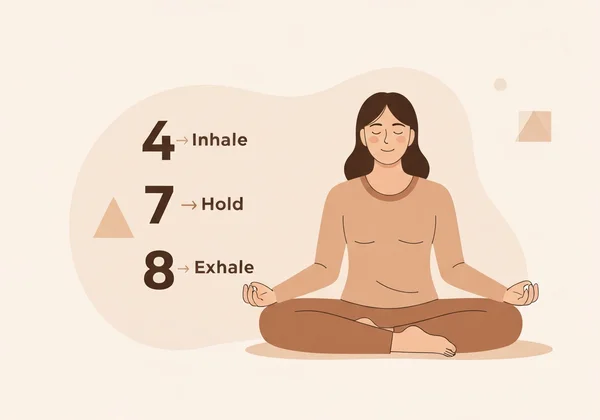
Developed by Dr. Andrew Weil, the 4-7-8 breathing technique is a powerful tool to reset your nervous system. It forces you to slow your heart rate and signals to your brain that you are safe. You can do this simple exercise right at your desk before the test begins.
Here’s how to do it:
- Breathe out completely through your mouth, making a whoosh sound.
- Close your mouth and inhale quietly through your nose for a count of four.
- Hold your breath for a count of seven.
- Exhale completely through your mouth, making a whoosh sound, for a count of eight.
Repeat this cycle three to four times. This practice helps shift your body from a stress response to a relaxation response. This will clear your mind and prepare you for the timed challenge ahead.
Power Poses to Boost Confidence Before Testing
Your body language doesn't just reflect how you feel; it can also influence it. Research from social psychologist Amy Cuddy shows that adopting "power poses" can help. Holding these expansive, open postures for just two minutes can increase feelings of confidence and decrease stress hormones.
Before you start your test, find a private space like a restroom and try a power pose. Stand with your feet apart and place your hands on your hips, like a superhero. Or, raise your arms in a "V" for victory. Hold the pose for two minutes while breathing deeply. This small action can create a powerful mental shift, helping you walk into the test feeling more assertive and less apprehensive.
Cognitive Reframing Strategies for Long-Term Resilience
While immediate techniques are useful, building long-term mental resilience is the key to conquering test anxiety for good. Cognitive reframing involves changing the way you think about the test and your ability to perform. These strategies help you dismantle the negative thoughts that fuel anxiety.
Challenging Negative Thought Patterns About Tests
Anxiety is often fed by negative self-talk, such as "I'm going to fail," or "I always run out of time." These thoughts are often automatic and irrational. The key is to catch them and challenge them with logic and evidence.
When a negative thought appears, ask yourself: "Is this thought 100% true?" Try to find a more balanced, realistic perspective. For example, instead of "I'm going to fail," you can reframe it as, "This is a challenging test, but I have prepared. I will do my best with the time I have." This shift reduces the emotional weight and frames it as a manageable challenge. Consistent practice with a realistic simulation can provide evidence that you are, in fact, capable.
Visualization Techniques for Successful Test Completion
Visualization is a technique used by top athletes to prepare for high-pressure events. Your brain often doesn't distinguish between a vividly imagined experience and a real one. You can use this to your advantage by mentally rehearsing a successful test-taking experience.
Find a quiet place, close your eyes, and imagine the entire process. Picture yourself sitting down, feeling calm and focused. See yourself reading the questions clearly and answering them confidently. Visualize yourself managing your time effectively. Imagine the feeling of relief after completing the test. Doing this regularly helps build a mental blueprint for success, making the actual event feel less intimidating.
Pre-Test Preparation to Minimize Anxiety
The most powerful antidote to anxiety is preparation. When you know what to expect and feel confident in your abilities, there is far less room for fear and uncertainty. A solid preparation plan is your best defense against Wonderlic test anxiety.
Building Familiarity Through Practice Tests
A major source of anxiety is the unknown. The unique format of the Wonderlic—with its rapid-fire questions—can be jarring if you've never experienced it. The best way to eliminate this uncertainty is through practice.
Taking a high-quality, timed practice test is essential. It helps you understand the pacing and question types in a low-stakes environment. Each time you practice, the test becomes more familiar and less intimidating. Using an online tool that simulates the real exam, from the 12-minute timer to the 50-question format, is the most effective way to build this familiarity. You can start your test right now to see where you stand.

Creating Your Personal Pre-Test Ritual
Routines provide comfort and signal to your brain that it's time to perform. Creating a pre-test ritual can help you get into a calm, focused mindset. This doesn't have to be complicated. It could be as simple as laying out your clothes the night before, eating a healthy breakfast, listening to a specific song, and doing your breathing exercises.
Your ritual should focus on things you can control. Avoid cramming right before the test, as this often increases anxiety. Instead, focus on arriving early, getting comfortable, and running through your calming techniques. A consistent routine will help you feel grounded and in control on test day.
Your Path to Confident Test-Taking
Wonderlic test anxiety is a common but conquerable challenge. By understanding its roots and applying these five science-backed strategies, you can transform your relationship with testing. Remember to use immediate techniques like 4-7-8 breathing on test day, practice cognitive reframing to build long-term resilience, and make preparation your greatest ally.
The key to it all is familiarity. The more you expose yourself to the test environment, the less power anxiety will have over you. Don't wait until the real test to face the pressure. Start building your confidence today by taking a realistic, timed practice exam.
Ready to put these strategies into action and build your confidence? Ace your Wonderlic by taking our free, full-length simulation.
Frequently Asked Questions About Wonderlic Test Anxiety
Is it normal to feel anxious before taking the Wonderlic test?
Yes, it is completely normal. The test is timed, challenging, and often tied to important career or academic opportunities. These high-stakes conditions naturally create pressure and anxiety for most people. Recognizing this is a normal response is the first step to managing it.
How can I quickly calm down during the timed Wonderlic test?
If you feel panic setting in mid-test, take 15-20 seconds to reset. Look away from the screen and take one or two slow, deep breaths using the 4-7-8 method. Gently stretch your neck. Remind yourself that it's just a test and your goal is to do your best, not to be perfect. This short pause can prevent an anxiety spiral and help you regain focus.
Does test anxiety affect Wonderlic scores?
Absolutely. Research shows that high levels of anxiety can significantly impair performance on cognitive tests. It affects working memory, logical reasoning, and processing speed—all critical skills for the Wonderlic. Managing your anxiety is a direct strategy for improving your potential score.
What are the physical symptoms of test anxiety and how can I manage them?
Physical symptoms include a racing heart, shallow breathing, sweating, and trembling hands. Techniques like deep breathing directly counteract these symptoms by slowing your heart rate. Power poses and gentle stretching can also help release physical tension. Regular practice with a free Wonderlic practice test can help desensitize your body to these stress triggers over time.
Can meditation help reduce Wonderlic test anxiety?
Yes, regular meditation or mindfulness practice can be extremely effective. Even 5-10 minutes of daily mindfulness meditation can train your brain to stay focused on the present moment. This helps you let go of distracting, anxious thoughts and builds a baseline of calmness that will serve you well on test day.