Wonscore Assessment: What It Measures and How to Prepare
The wonscore assessment is usually searched by candidates who have just received a hiring assessment invitation and want to know what they are about to face. The short answer: WonScore, now commonly discussed alongside Wonderlic Select, is a pre-employment assessment family that may include cognitive ability, personality, and motivation signals, depending on the employer's setup. If your invitation mentions Wonderlic, WonScore, or Wonderlic Select, your best next step is to understand the format before you practice. An independent Wonderlic preparation resource can help you get familiar with the pace and question style without treating practice results as official hiring outcomes.
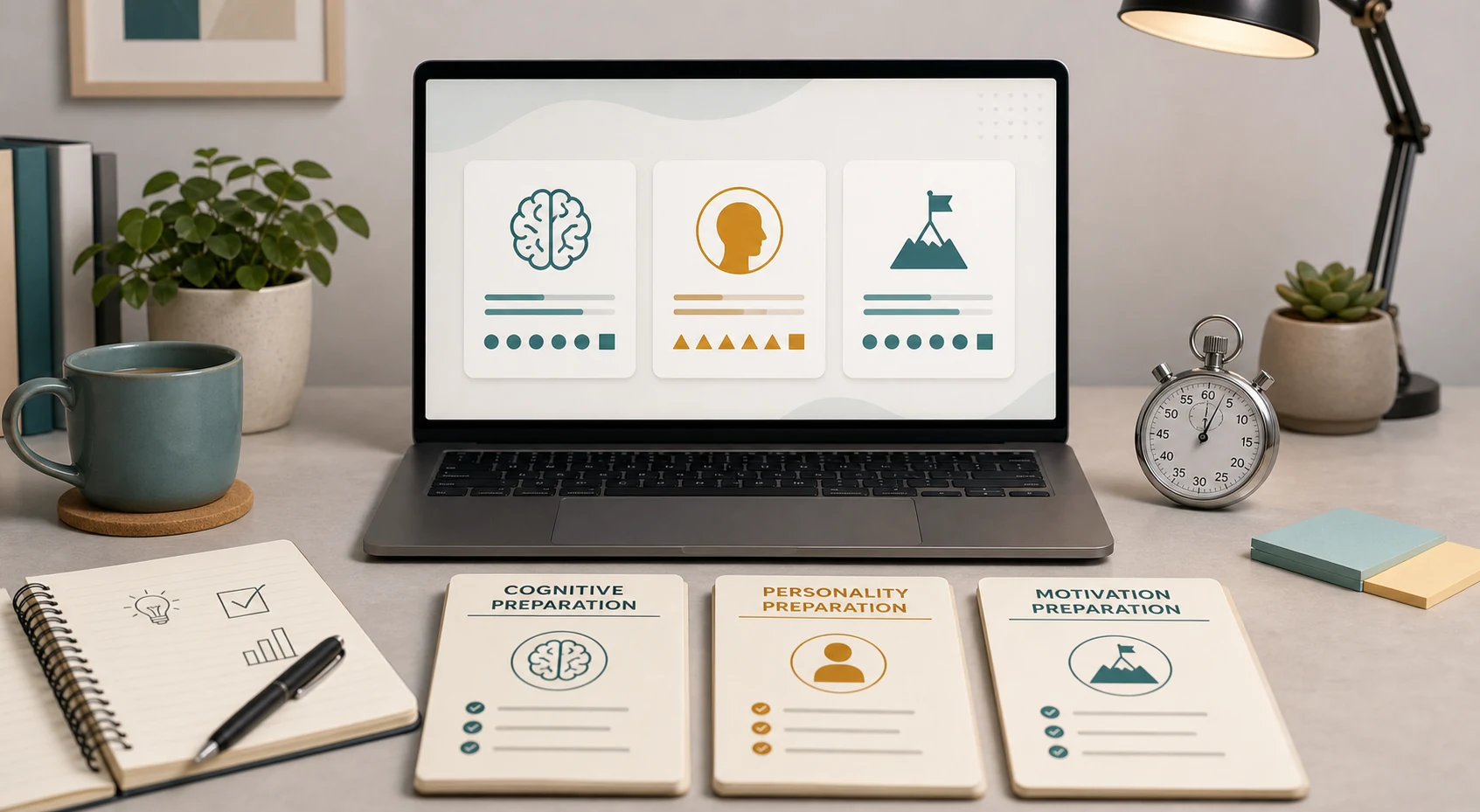
What the Wonscore Assessment Is
WonScore was known as a Wonderlic pre-employment assessment approach that combined multiple hiring-related measures into one candidate profile. In search terms, people use "wonscore assessment," "wonderlic wonscore," and "wonderlic select test" to ask whether the assessment is only a timed cognitive test or something broader.
For many candidates, the most stressful part is the cognitive section because it is fast. The classic Wonderlic-style cognitive format is associated with 50 multiple-choice questions in 12 minutes, which means you are managing speed, accuracy, and skipping decisions at the same time. Questions can involve basic math, verbal reasoning, logic, pattern recognition, comparisons, and quick problem solving.
The broader assessment may also include personality or motivation items. These are different from the cognitive section because they are usually self-report or preference-based. They are not about finding a hidden answer key. They are meant to help an employer understand work style, preferences, and fit for the role.
That distinction matters. Preparing for the cognitive section means practicing time-limited problem solving. Preparing for personality or motivation items means reflecting honestly on work preferences. Treating all sections like a trivia exam can lead to poor preparation.
Wonscore vs. Wonderlic: Why the Names Are Confusing
The names can feel messy because employers, prep sites, and candidates may use different labels. You might see WonScore, Wonderlic WonScore, Wonderlic Select, Wonderlic assessment test, Wonderlic online test, or Wonderlic select test in different places. The exact label in your invitation is more important than any search result.
Use these names as clues, not certainties:
- "Wonderlic cognitive ability" usually points to a timed reasoning test.
- "WonScore" or "Wonderlic Select" may refer to a broader pre-employment assessment package.
- "Wonderlic assessment test" can be a general phrase that covers several assessment types.
- "Wonscore login" is usually navigational intent, meaning the candidate is trying to access an employer-provided assessment portal.
If your email includes instructions, deadline, retake rules, accommodations information, or a specific login page, follow those directions first. A prep article cannot replace the employer's official process.
What the Cognitive Section Usually Measures
The cognitive part is built around fast general problem solving. It does not require advanced math or specialist knowledge, but it does reward quick recognition of familiar patterns. A candidate who has seen common question types before often spends less time figuring out what the question is asking.
Common cognitive question families include:
- Basic arithmetic and word problems
- Number series and pattern completion
- Vocabulary, antonyms, and analogies
- Logic and deduction
- Spatial or shape-based reasoning
- Data comparison and quick estimation
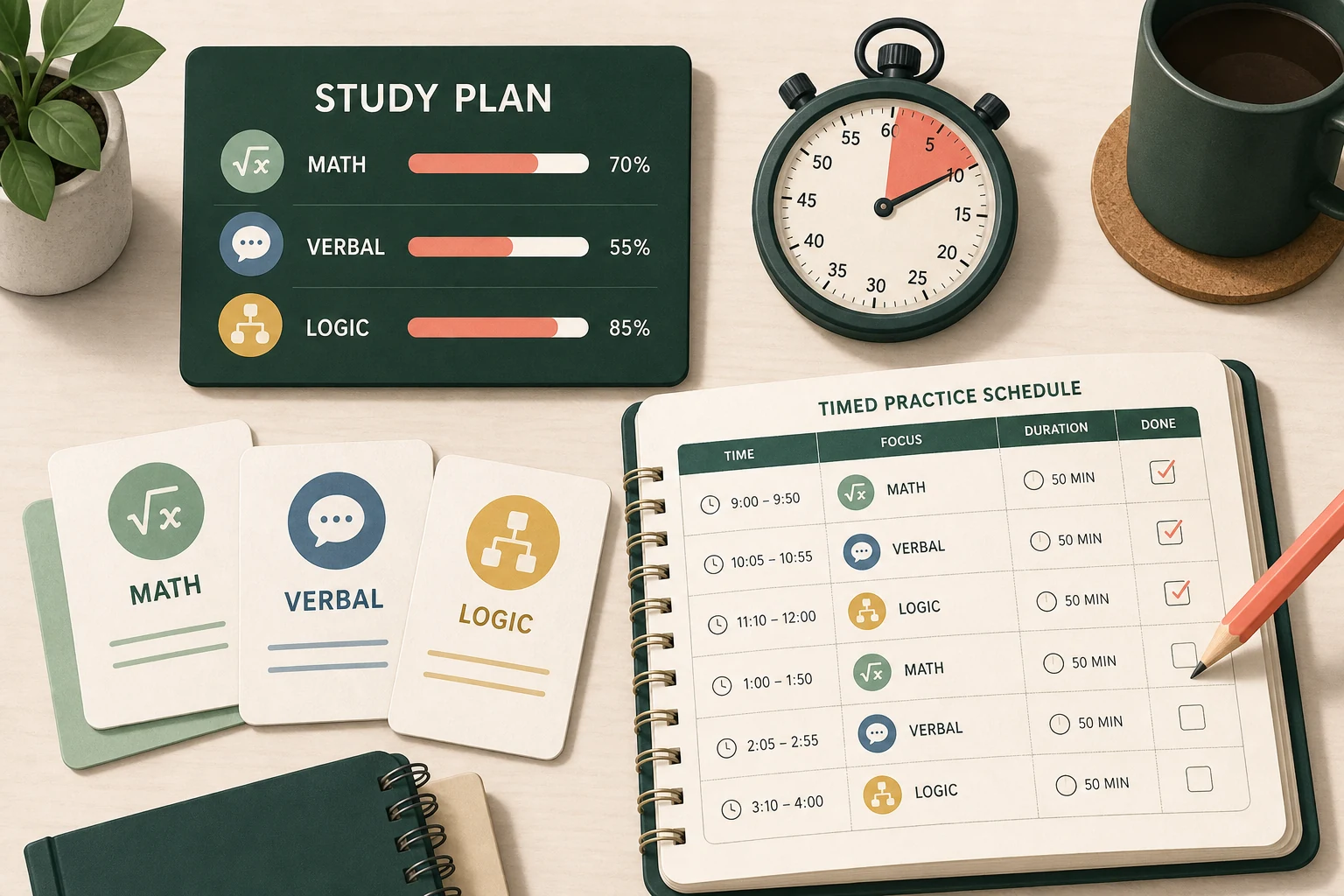
The challenge is pacing. With 50 questions in 12 minutes, you have about 14 seconds per question on average. Some questions take five seconds and others are not worth the time on a first pass. A wonscore practice test should help you notice where you slow down, which question types drain time, and when skipping is the smarter move.
How to Prepare Without Chasing Answer Dumps
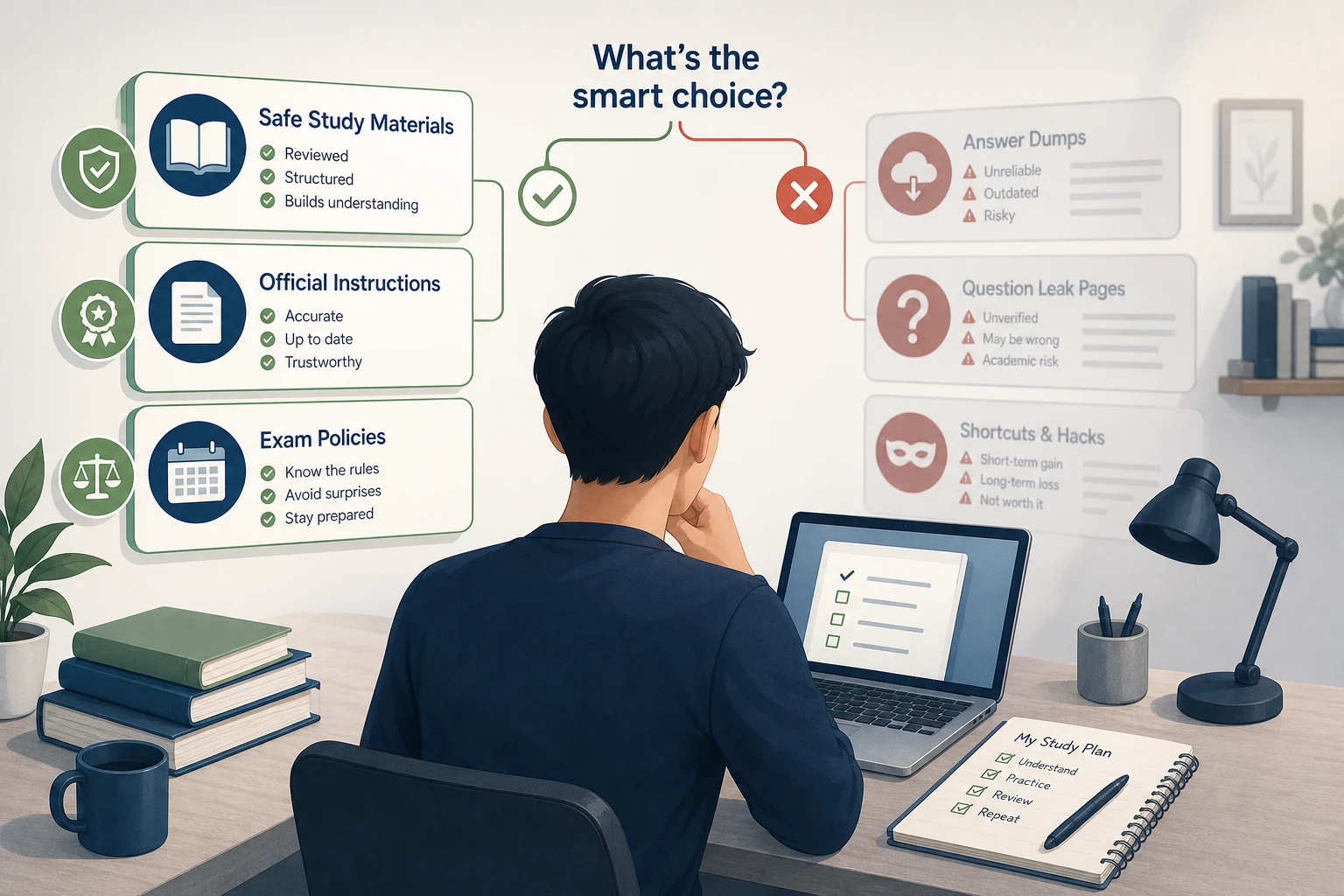
Searches like "wonscore assessment test answers pdf," "wonscore assessment answers," and "wonderlic test questions and answers pdf" are common because candidates feel time pressure. The safer and more useful approach is to look for practice materials that teach formats, explanations, and pacing instead of answer dumps.
There are three reasons to avoid relying on so-called answer PDFs. First, your actual assessment may use different items. Second, answer-only material rarely explains why an option is right, so it does not build transferable speed. Third, using leaked or unauthorized material can conflict with assessment rules or employer expectations.
A better preparation plan is simple:
- Learn the common question types.
- Take a short untimed set to understand the mechanics.
- Take a timed set to feel the pace.
- Review missed questions by type, not just by answer.
- Repeat with a stricter skipping rule.
For the cognitive section, your goal is to recognize patterns quickly. For personality and motivation sections, your goal is to read carefully and answer consistently with your real work style. The strongest preparation is not pretending to be a different person. It is understanding the assessment format well enough that nerves do not control your responses.
If you want an educational practice environment before your official assessment, you can review a Wonderlic-style practice test experience and use it to reflect on pace, weak spots, and question familiarity.
A Practical Seven-Day Wonscore Practice Plan
You do not need a complicated study system. You need a short routine that separates skill building from timed performance.
Day 1: Identify the Assessment Type
Read your invitation carefully. Look for the assessment name, timing, sections, deadline, allowed tools, and login instructions. If the message only says WonScore or Wonderlic Select, assume there may be more than one component unless the employer says otherwise.
Day 2: Learn the Cognitive Question Families
Spend a session reviewing examples of arithmetic, logic, verbal, pattern, and comparison questions. Do not worry about speed yet. Your job is to reduce surprise.
Day 3: Practice Pacing in Small Sets
Use 10 to 15 questions and set a tight timer. Afterward, mark each item as easy, slow, or skipped. This gives you a map of your pacing habits.
Day 4: Build a Skipping Rule
A useful rule is to move on when you cannot see a path within a few seconds. Skipping is not failure in a fast cognitive test. It is time management.
Day 5: Review Mistakes by Category
Do not only count your score. Group missed questions by type. If most errors are math word problems, practice translating words into equations. If verbal questions slow you down, review common analogy relationships and vocabulary patterns.
Day 6: Simulate Test Conditions
Take a longer timed set without pausing. Put your phone away, use only allowed materials, and keep moving. The goal is not perfection. The goal is to experience pressure before the real assessment.
Day 7: Light Review and Rest
Do a short review of your skipping rule, common formulas, and question-type cues. Avoid cramming late into the night.
What a 40 Score Means on the Wonderlic
A score of 40 on the traditional 50-question Wonderlic cognitive test means 40 correct answers, which is a very high raw score. For most candidates, the more useful question is not "Do I need a 40?" but "What level is realistic and relevant for my role?"
Employers may interpret scores differently depending on the job, applicant pool, and other hiring signals. Some roles emphasize fast quantitative reasoning. Others may weigh experience, interviews, credentials, work samples, personality results, or motivation fit more heavily.
This is another reason practice should focus on improvement rather than panic. If your baseline is 18, learning to manage time and avoid avoidable mistakes may matter more than chasing an unrealistic perfect-score target.
Reddit Advice, Login Pages, and What to Trust
"Wonscore assessment reddit" is a useful search because real candidates often share what the experience felt like. However, forum posts can be incomplete, outdated, or specific to one employer. Use that advice to spot common worries, not as a rulebook.
Be especially careful with posts that promise exact answers, secret score cutoffs, or universal tricks. The most reliable advice is usually boring: know the format, practice under time pressure, sleep well, read instructions, and do not spend too long on one question.
For login issues, do not search randomly for a generic "wonscore login" and enter personal information into unfamiliar pages. Use the link from your employer or assessment invitation. If the link fails, contact the recruiter, HR contact, or assessment support route listed in the official message.
How to Use Practice Results the Right Way
Practice scores are useful only when they lead to a better next action. After each practice session, ask three questions:
- Which question type cost the most time?
- Which errors were caused by misunderstanding, and which were caused by rushing?
- Which questions should I skip faster next time?
For a timed cognitive assessment, review is where improvement happens. Repeating full tests without reviewing mistakes can make you faster at the same habits. A focused review turns each practice set into a small adjustment.
If your practice platform offers basic results or a more detailed performance report, treat those insights as preparation support. They are not official scores, hiring decisions, or psychological labels. They can still help you see whether your next session should focus on math shortcuts, verbal logic, pacing, or staying calm under time pressure.
A Calm Next Step Before Your Assessment
The wonscore assessment can feel intimidating because it mixes uncertainty with speed. Once you separate the parts, it becomes easier to prepare: cognitive questions need timed practice, personality and motivation items need careful self-reflection, and official login instructions need to come from the employer.
Before your assessment, use one short practice session to rehearse pacing, one review session to study your mistakes, and one quiet check of the official instructions. If you want a low-pressure place to explore the Wonderlic-style rhythm, an independent Wonderlic prep platform can support practice and reflection while keeping the boundary clear: it is preparation, not the official assessment.
FAQ
How do you pass the WonScore test?
Start by confirming which components your employer assigned. For the cognitive section, practice common Wonderlic-style question types under time pressure and build a skipping strategy. For personality or motivation items, read carefully and answer honestly. There is no single trick that replaces format familiarity, pacing, and clear instructions.
What is the trick to passing the Wonderlic test?
The closest thing to a trick is disciplined time management. Do the questions you can solve quickly, skip items that are draining time, and come back if the format allows it. Also practice enough question types that you do not waste time figuring out the task from scratch.
Is the WonScore assessment hard?
It can feel hard because the cognitive section is fast, not because every question is advanced. The personality and motivation parts can feel different because they ask about work style or preferences rather than right-or-wrong reasoning. Preparation helps most when it reduces surprise.
What is a 40 score on the Wonderlic test?
On a traditional 50-question Wonderlic cognitive test, a 40 means 40 correct answers. It is a high raw score. Whether it matters for your situation depends on the employer, role, and how the assessment is combined with other hiring information.
Should I use a Wonscore assessment test answers PDF?
Use caution. Answer-only PDFs may be outdated, unauthorized, or unrelated to your actual assessment. Practice materials with explanations, timing, and question-type review are more useful because they build skills that transfer to new questions.
What should I do if I am looking for a Wonscore login?
Use the login link in your official employer or assessment invitation. Avoid entering personal information into random pages from search results. If the link does not work, contact the recruiter, HR contact, or assessment support listed in the invitation.
Can practice tests improve my score?
Practice can improve familiarity, pacing, and error awareness, especially for the cognitive section. It cannot promise a specific official result. The best use of practice is to review mistakes, refine your skipping rule, and enter the assessment with a clearer plan.